
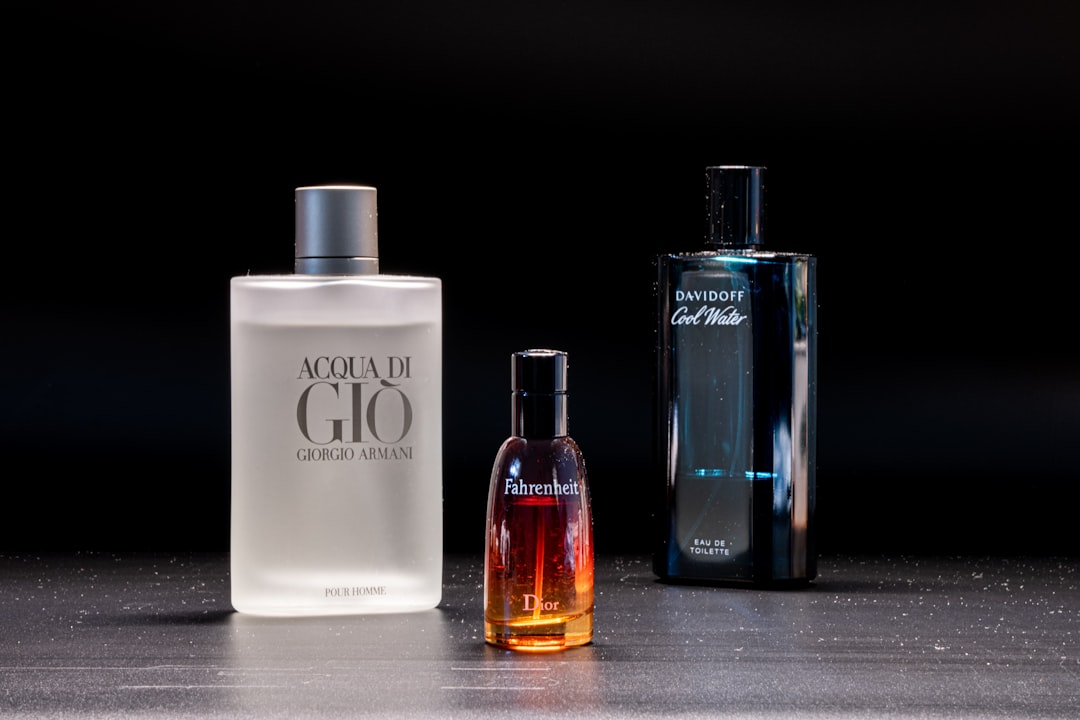
The Difference Between Eau de Parfum and Eau de Toilette
Choosing the right fragrance concentration makes a real difference in how a scent performs across your day. Two of the most common options are Eau de Parfum (EDP) and Eau de Toilette (EDT). Understanding their differences helps you pick a fragrance that fits the occasion, your skin chemistry, and your budget.
This guide explains what those labels mean, how they affect longevity, projection, and notes, and gives practical tips for testing, traveling with, and gifting perfumes so you get the best results from every bottle.
What “Eau de Parfum” and “Eau de Toilette” Actually Mean
Eau de Parfum and Eau de Toilette refer to the concentration of aromatic compounds dissolved in alcohol. EDP generally has a higher percentage of perfume oils than EDT. That concentration affects how long a scent lasts on the skin and how the fragrance unfolds over time. Neither is inherently better—each serves different purposes depending on wear time, season, and personal preference.
Concentration, Longevity, and How They’re Measured
Typical concentration ranges: extrait/extrait de parfum (highest), eau de parfum (around 15–20% or more), eau de toilette (around 5–15%), and eau de cologne (lower). Higher concentration usually equals longer lasting scent and stronger base notes. If you prefer a richer, longer-wearing signature scent—often marketed under premium lines—look for bottles in the EDP range like many in the Luxury Unisex Fragrance category.
Sillage and Projection: What Others Notice
Sillage describes the scented trail a fragrance leaves; projection is how far it radiates from the skin. EDPs typically project farther and for longer periods due to higher oil content and heavier base notes. If you want a fragrance with impactful presence—especially rich, woody or resinous scents—explore options in the Oud Perfume family, which often performs strongly as EDPs.
How Fragrance Notes Behave Differently in EDP vs EDT
Top notes (first impression) are most noticeable in EDTs because lighter alcohol-forward formulas evaporate faster, highlighting citrus and green notes. Middle (heart) notes form the body of the scent; they behave similarly but may be quicker to appear in EDT. Base notes—musk, vanilla, woods—gain depth and staying power in EDPs. For example, a floral heart such as rose will be softer and more enveloping in an EDP than in a lighter EDT; consider trying a refined floral option like Rose Perfume when you want a lasting floral presence.
When to Choose Eau de Parfum vs Eau de Toilette
Match concentration to context. Choose EDT for daytime, hot weather, or casual outings—EDTs are often fresher and less dense. For evening events, cooler months, or when you want a signature scent with longevity, choose an EDP. Bright daytime picks frequently include citrus-led options; if you’re shopping for an all-day fresh daytime scent, check out the Unisex Citrus Fragrance category for EDT-style freshness in unisex formulations.
Price, Packaging, and Gift Considerations
EDPs can be pricier because they contain more perfume oil and often come in more elaborate packaging. When buying as a gift, an EDP can feel more luxurious, especially in designer or curated sets. If you’re selecting a present for someone who likes longer-wearing, richer scents, explore curated options like the Designer Perfume Gift Set.
Traveling, Sampling, and Practical Application
For travel and everyday convenience, decants or smaller formats are ideal. EDTs are often easier for daytime top-ups, while EDPs usually need fewer re-applications. If you want a compact option to keep in your bag without risk of leaks, check the Pocket Size Perfume selection—great for flights or a quick refresh between meetings.
Sampling and Decanting: Try Before You Commit
Because concentration changes the development of a scent, sample both the EDT and EDP versions when available. Decanting a small amount into a travel atomizer or refillable bottle is cost-effective and helps you evaluate wear over a full day. A reliable option for this is a Mini Refillable Perfume Atomizer, which makes in-field testing and travel easy.
Popular Scent Families to Try in EDP and EDT
Certain families perform predictably across concentrations. Vanilla and amber bases gain warmth and longevity in EDPs—if you love gourmand or comforting base notes, explore Vanilla Perfume. Fresh citrus and aquatic scents often do well as EDTs, while woody, oriental, and oud-based fragrances shine as EDPs. That said, personal skin chemistry will always be the final judge.
Quick Checklist
- Decide how long you want your scent to last: choose EDP for extended wear, EDT for lightness.
- Test on skin for several hours—don’t judge only by the initial spray.
- Use EDTs for daytime and hot weather; EDPs for evening and cold weather.
- Travel with pocket-sized bottles or a refillable atomizer to avoid wasting full bottles.
- Consider concentration when buying gifts—EDP feels more luxurious; EDT feels more casual.
FAQ
Q: Can the same fragrance be sold as both EDP and EDT?
A: Yes. Many houses release both concentrations; they’ll smell similar at core but differ in strength, longevity, and how notes evolve.
Q: How many sprays of EDP vs EDT should I use?
A: Typically 1–3 sprays of EDP and 2–4 for EDT, depending on concentration and occasion. Adjust based on projection and your environment.
Q: Does higher concentration always mean better quality?
A: No—concentration affects performance but not necessarily quality. A well-composed EDT can be superior to a poorly composed EDP.
Q: Are EDPs more likely to cause sensitivity?
A: Higher oil content can make a scent feel heavier and sometimes more noticeable to sensitive noses. Test on a patch of skin and give it time to settle.
Q: Should I buy different concentrations for different seasons?
A: Many people do—lighter EDTs in summer, richer EDPs in fall and winter. It’s a practical strategy to match climate and social context.
Conclusion
EDP and EDT provide distinct experiences: EDP for depth and longevity, EDT for lightness and immediacy. Match concentration to your day, your environment, and how you want to be remembered. Practical steps—sampling, decanting, and choosing the right format for travel—will help you get the most from any fragrance purchase.
Products Featured in This Article
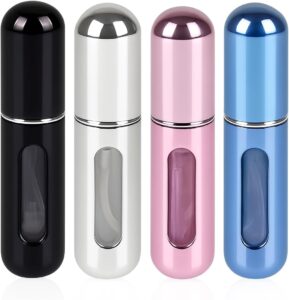
Mini Refillable Perfume Atomizer 5m…
Stay fresh wherever life takes you with this sleek, refillable mini perfume atomizer. Designed with portability…
