
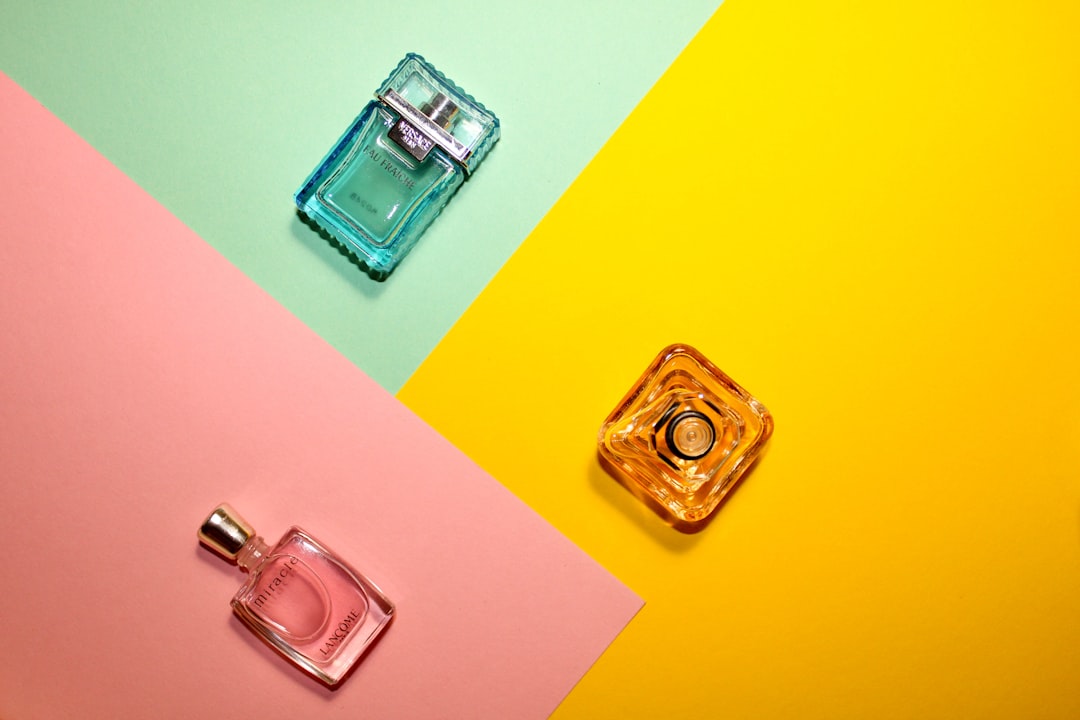
How to Layer Perfumes Without Overdoing It
Layering fragrances can turn ordinary cologne into a signature scent: more complex, longer lasting, and uniquely yours. But it’s easy to overdo it—too many notes, too much volume, or clashing families quickly creates a muddled result.
This guide gives practical, step-by-step advice to build balanced blends, test safely, and avoid common mistakes so your layers smell intentional and effortless.
Start with the basics: scent families and compatibility
Successful layering begins with knowing which scent families naturally complement each other—citrus, floral, woody, amber, musk, oud, and vanilla. A quick rule: pair a bright top-note family (like citrus) with a sturdier base (woody, amber, or musk) to maintain balance. If you want to experiment with bright, energetic layers, try exploring citrus fragrances as your bright component; they mix well with many bases and keep blends fresh.
Order matters: concentration and layering sequence
Layer from lightest to heaviest by scent concentration and volatile profile. Start with a light eau de toilette or body mist, then add an eau de parfum or oil as the base. That prevents the heavier notes from overpowering delicate ones. For decanting and testing, having small convenient sizes makes this easier—consider keeping a few pocket size perfumes or travel atomizers so you can mix precise amounts without risking full bottles.
Application points and quantity control
Where you spray matters. Apply lighter components to pulse points that are cooler (wrists, behind ears) and denser bases to warmer areas (chest, the inner elbow) to let the scent unfold naturally. Always start with one spray of each fragrance when testing. Everyday colognes designed for regular use often have a balanced projection and can act as good starting bases for layering—see practical options in our Men’s Everyday Cologne selection for reliable, subtle foundations.
Test method: small steps and timed evaluations
Never judge a new blend immediately. Test on skin and give it at least 30–60 minutes to develop through the levels—top, heart, and base. Keep a small notebook or photo log of what you tried. If you’re not ready to commit to full bottles, experiment with sets and travel sizes first; they’re ideal for learning combinations without wasting expensive perfume—try a travel perfume gift set to practice safely.
Practical combo starters that rarely fail
Here are balanced, easy-to-achieve pairings to get you comfortable with layering:
- Citrus + Musk: bright top, warm drydown—musk tames the zing and adds longevity. Explore musk-centric options in our Musk Perfume collection.
- Vanilla + Oud: creamy sweetness meets resinous depth—great for evening wear; pair a subtle vanilla with a restrained oud for sophistication. See Oud Perfume for strong base ideas.
- Floral + Woody: rose or jasmine layered over a cedar or sandalwood base creates a grounded but romantic scent; try woody bases from our Woody Perfume options.
How to adapt: escalation and restraint
If the first test is too weak, add a small amount of the base (one additional spray maximum) and retest after 20 minutes. If it’s too strong, remove the top-note element and try again with a lighter citrus or watery top. Keep a mental rule: one dominant note, one modifier, one subtle accent. As you gain confidence, you can explore richer combinations—our Designer Luxury Perfume selections can be layered for special occasions, but start modestly before combining heavy luxury bottles.
Mistakes to avoid when layering
Common missteps include spraying everything at once, mixing too many heavy bases, and judging the blend too quickly. Also avoid pairing similar heavy accords (two oud-heavy or two dense amber scents) unless you intentionally want a bold, complex statement. If you’re unsure, test a single change at a time—swap the top note or the base, not both—so you can identify the effect of each component.
Checklist: Quick layering guide
- Choose 2–3 compatible fragrances (one bright, one base, optional accent).
- Start with small amounts: 1 spray per fragrance for testing.
- Apply lighter notes to cooler pulse points, heavier notes to warmer areas.
- Wait 30–60 minutes to evaluate development.
- Adjust by adding one small change at a time.
- Use travel-size bottles or pocket atomizers for experimentation.
FAQ
- How many perfumes should I layer? Two is the easiest and safest; three works if each has a clear role (top, heart, base).
- Will layering make fragrances last longer? Usually yes—adding a concentrated base like an oil or parfum can increase longevity, but control quantity to avoid overpowering.
- Can I layer eau de toilette with perfume oils? Yes. Oils are heavier and make excellent bases; apply oils sparingly to avoid blotchiness.
- Should I mix matching brands only? No—mix across brands. Focus on complementary notes rather than labels; affordable or designer options can both work well.
- What if my blend turns sour or sharp? That usually means a clash between top and base notes—add a soft modifier (vanilla or a mild musk) or start over with fewer components.
Conclusion: a practical takeaway
Layering is a simple skill: pair compatible families, start light, test methodically, and adjust gradually. Keep a few travel or small bottles on hand and use the rule of one dominant, one modifier, one accent. With careful practice you’ll build signature blends that feel polished—not overpowering.
